Standby Generators: A Trustworthy Method for Uninterrupted Power Supply
Automatic generators serve as a vital safeguard from electricity outages. They function seamlessly, activating within seconds when power fails. Fueled by various energy sources, the generators ensure facilities stay running when disaster strikes. Yet, knowing their advantages and specifications is essential for making a sound choice. What aspects should one consider before acquiring a generator like this? The next segments discuss these crucial elements.
How Standby Generators Work: The Functionality
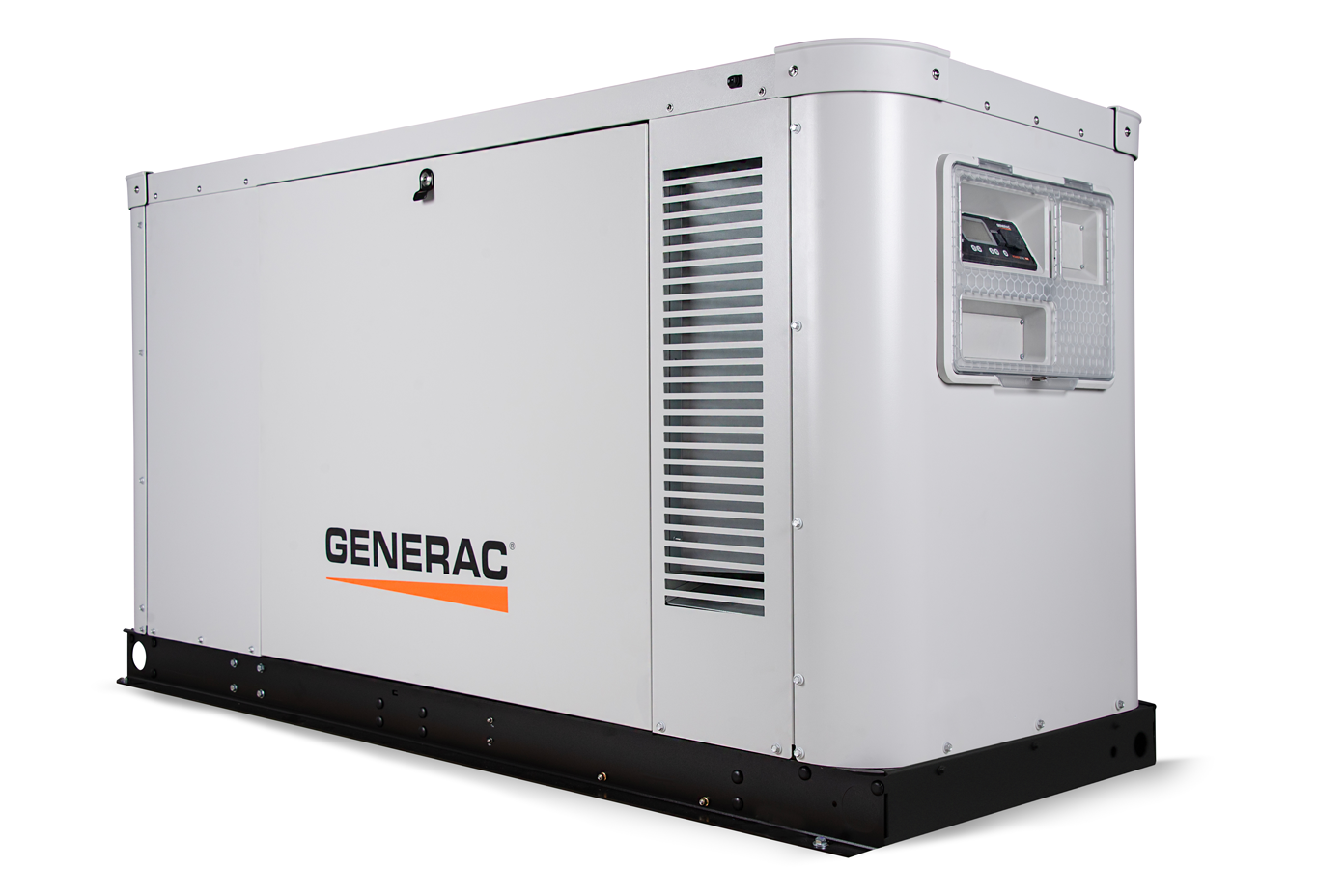
Standby generators are essential devices that offer reliable emergency electricity when the grid fails. They are typically installed outside a home or building, linked to the main wiring and running on gas, propane, or diesel. If an electricity outage happens, the generator senses the power failure and begins operating immediately. This process involves a specialized transfer switch, that isolates the property from utility power and links it to the backup unit
(Portland Standby Generators)The system starts creating electricity, supplying power to essential circuits or the entire facility, based on its size. The majority of backup systems include an integrated surveillance feature that confirms optimal performance and maintenance. The generators function for prolonged times, delivering dependable electricity until utility power is restored. Knowing the operation of these systems helps homeowners appreciate their role in boosting electricity safety and lessening outages in the event of unforeseen blackouts
Why Install an Automatic Generator
Trustworthiness is a key feature when putting in a backup system, since it ensures continuous electricity when the power fails. This crucial capability ensures that facilities stay running, securing critical items and preserving convenience. Furthermore, these generators improve protection by mitigating grid failures that might cause dangerous conditions, such as pipe damage or critical device shutdowns.
Cost-effectiveness is another benefit; while the upfront cost may be considerable, the savings over time from preventing food waste, operational downtime, and unexpected fixes can be considerable. In addition, standby generators add value to the property, positioning them as an attractive feature for future homeowners.
The ease of use is also important, as such systems turn on automatically during an outage, eliminating the need for hands-on operation. This smooth performance lets people to continue their everyday activities without disruption. In summary, setting up a standby system delivers reassurance, guaranteeing that power is constantly supplied when critical.
Key Features to Look for in a Backup Power System
When choosing a standby generator, several key features should be considered to guarantee peak performance and appropriateness for individual requirements. Initially, the power generation capability is essential; buyers must figure out the needed capacity to run critical equipment during an outage. Additionally, the power source—whether NG, propane, or diesel—impacts performance and operational costs.
Another important feature is the transfer switch, which allows for effortless switching and improves security. The robustness and construction quality are also important; a robust generator can handle severe elements.
Moreover, the volume of operation must be checked, as quieter models are preferable for neighborhood settings. A few units provide auto-start functions, providing convenience during sudden power failures. Finally, support and coverage details need to be checked, providing reliable support and maintenance. By evaluating these features, future owners can choose a backup system that aligns with their individual power demands efficiently.
Key Points to Review Before Purchase
Before deciding on a standby generator, potential buyers should diligently assess multiple critical elements to ensure they reach an well-considered conclusion. Portland Standby Generators. First, they must determine their wattage demands by calculating the wattage required to operate critical systems during an outage. Next, the power source is important; options include natural gas, propane, or diesel, all having distinct benefits and availability considerations
Additionally, buyers should consider the generator's transfer switch, which allows for smooth energy changeover. The requirements for installation must also be considered, since certain models may necessitate expert setup or obtaining necessary permits
Warranty and service options must visit now be carefully reviewed, as these can greatly impact your satisfaction over time. To conclude, those considering a purchase must check how loud the generator is, especially if they live in populated neighborhoods. By considering these elements, consumers can select a standby generator that perfectly suits their particular requirements and desires
How to Maintain Your Standby Generator

Regular maintenance is essential for guaranteeing peak performance and the long life of a backup generator. Begin by checking the oil level in the unit, changing the oil and filter as recommended by the maker. Inspect the air filter often and change it when needed to ensure proper air circulation. You should also test the battery cleaning corrosion from the terminals to ensure it starts reliably.
Conduct periodic load tests to confirm the generator can handle its rated capacity. In addition, check that no obstructions or leaks exist in the exhaust system. Maintaining a clean, debris-free generator will help prevent overheating and other issues.
Finally, book professional upkeep yearly to handle potential issues and conduct thorough checks. By using these maintenance practices can greatly extend the lifespan of a standby generator, providing peace of mind when the power goes out.
Frequently Asked Questions
How Much Do Standby Generators Typically Cost?
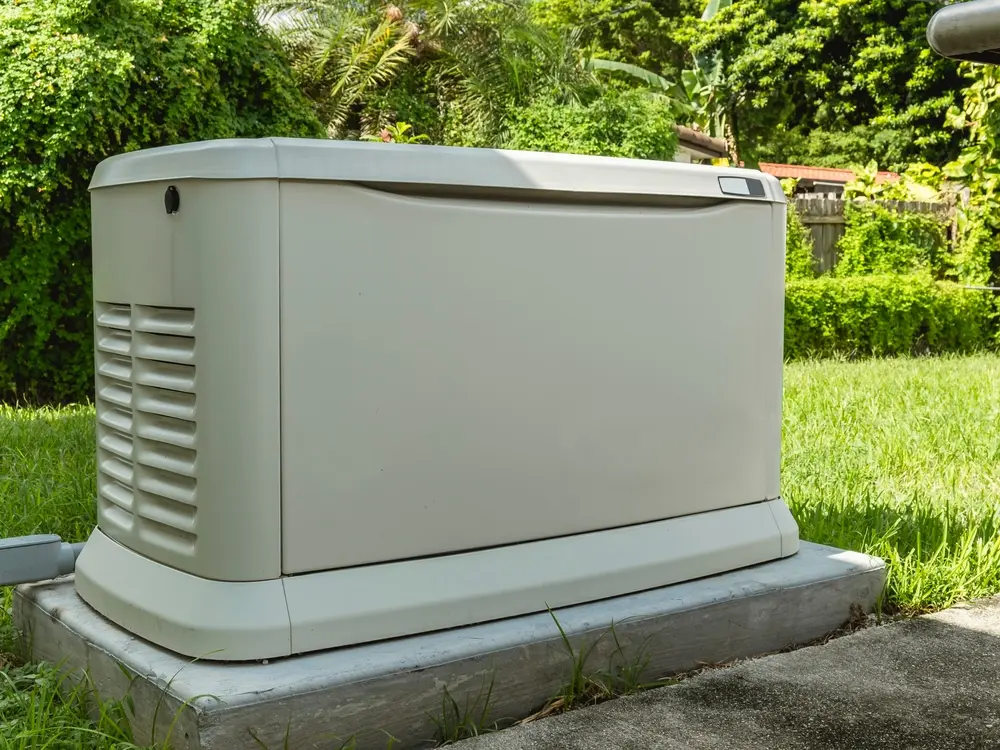
Standby generators typically cost in price from $2,000 to $15,000, depending on factors such as brand, power capacity, and how complex the installation is. Additional expenses may include fuel tanks, permits, and ongoing maintenance, which impacts the overall cost.
Can I Install a Standby Generator Myself?
It is possible to install a standby generator yourself, though it demands familiarity regarding local codes and electrical wiring. It is highly recommended getting a contractor to guarantee safety, compliance, and ideal performance of the generator installation.
What Energy Sources Do Standby Generators Use?
Standby generators typically use fuels such as natural gas, propane, diesel, or gasoline. Portland Standby Generators. The selection of energy source is frequently influenced by availability, cost, and specific energy needs, affecting the operation and efficiency of the generator
Are There Any Permits Required for Installation?
Absolutely, installation permits are usually mandated for the installation of standby generators. Regulations vary by location, so it is vital for those installing the unit to check with local governing bodies to ensure adherence with all relevant codes and requirements.
What is the Maximum Continuous Runtime Continuously?
A standby generator can run continuously for varying durations, most commonly lasting 24 to 48 hours, depending on fuel supply and load demands. Regular maintenance guarantees optimal functioning and extended lifespan during prolonged periods of use.